The Rise of Synthetic Employees: A New Enterprise Risk Every HR Leader Should Understand
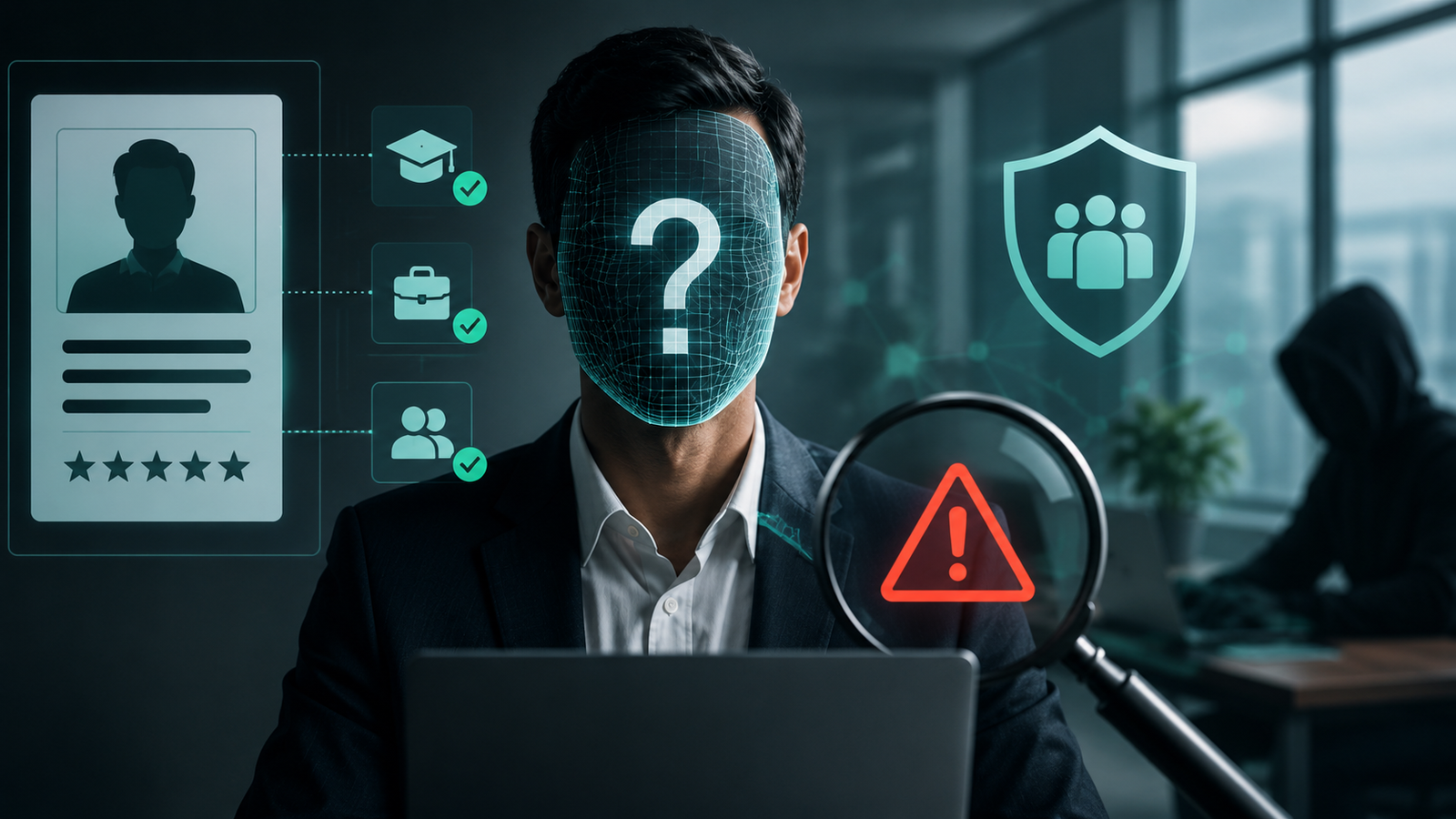
"As AI continues to reshape recruitment, a new threat is emerging—synthetic employees. These fraudulent candidates use AI-generated identities, forged documents, deepfake interviews, and fabricated work histories to infiltrate organizations. This blog explores how synthetic employee fraud works, the risks it poses to HR and enterprises, warning signs recruiters should watch for, and practical strategies to strengthen hiring processes through robust background verification."
Artificial Intelligence has transformed recruitment. Recruiters can source candidates faster, automate screening, conduct virtual interviews, and complete onboarding in record time.
Unfortunately, cybercriminals are leveraging the same technologies.
A growing threat is emerging across global hiring ecosystems Synthetic Employees.
Unlike traditional resume fraud, synthetic employees are built using a combination of fabricated identities, stolen credentials, AI-generated documents, deepfake technology, and coordinated deception. These individuals can successfully navigate hiring processes, gain access to enterprise systems, and remain undetected long enough to create financial, operational, and security risks.
As organizations continue adopting remote and hybrid hiring models, this threat is becoming increasingly relevant for HR, Talent Acquisition, Compliance, and Information Security teams.
In this guide, we'll explore what synthetic employees are, why they are becoming a serious enterprise risk, how they bypass traditional hiring controls, and what organizations can do to protect themselves.
What Is a Synthetic Employee?
A synthetic employee is a person or sometimes an organized fraud network that uses a partially or completely fabricated professional identity to secure employment.
Unlike identity theft, where an existing person's information is stolen outright, synthetic identities often combine genuine and fabricated information to create a believable profile.
A synthetic employee may use:
- AI-generated profile photographs
- Fabricated employment histories
- Fake educational qualifications
- Forged salary documents
- Deepfake video technology during interviews
- AI-generated voice cloning
- Fraudulent references
- Disposable phone numbers and email addresses
- Multiple online identities that appear authentic
The objective is simple: convince an employer that the candidate is legitimate.
Why Are Synthetic Employees Increasing?
Several technological and workplace trends have made this form of fraud significantly easier.
1. AI Makes Professional Fraud Easier
Modern generative AI tools can produce convincing resumes, certificates, recommendation letters, portfolios, and even interview responses within minutes.
Fraudsters no longer require advanced technical skills to create professional-looking documents.
2. Remote Hiring Reduces Physical Verification
Many organizations hire employees without ever meeting them in person.
While remote hiring improves efficiency, it also creates opportunities for impersonation and identity manipulation.
3. Deepfake Technology Has Become More Accessible
AI-generated video and voice technologies are no longer limited to research laboratories.
Today, affordable tools can imitate facial expressions, voices, and real-time conversations with remarkable realism.
This makes video interviews alone insufficient for identity verification.
4. Digital Documents Are Easier to Manipulate
Experience letters, educational certificates, salary slips, bank statements, and identity documents can now be edited using AI-powered image generation and document editing tools.
Traditional visual inspection often fails to detect sophisticated alterations.
How Synthetic Employees Infiltrate Organizations
A synthetic hiring fraud typically follows multiple stages.
Stage 1: Identity Creation
Fraudsters create an identity using genuine and fabricated information.
This includes professional social profiles, resumes, email addresses, and supporting documentation.
Stage 2: Resume Enhancement
AI is used to generate:
- Impressive project descriptions
- Technical expertise
- Leadership achievements
- Industry certifications
- Customized resumes for each job application
Stage 3: Interview Manipulation
Candidates may use:
- Deepfake video overlays
- Voice-cloning software
- AI-assisted interview responses
- Hidden prompting tools
These technologies help candidates appear more experienced than they actually are.
Stage 4: Document Submission
Organizations receive professionally designed documents including:
- Experience letters
- Payslips
- Degree certificates
- Government IDs
- Employment proofs
Without advanced verification processes, these documents may appear completely genuine.
Stage 5: Enterprise Access
Once hired, synthetic employees may gain access to:
- Corporate email
- Customer information
- Financial systems
- Source code repositories
- Internal databases
- Confidential documents
- Intellectual property
At this stage, the organization's exposure extends far beyond a hiring mistake.
Risks Synthetic Employees Create
Financial Loss
Organizations invest considerable resources in recruitment, onboarding, training, equipment, payroll, and benefits.
Hiring fraudulent candidates results in wasted investment and potential financial fraud.
Data Theft
Synthetic employees may deliberately seek access to:
- Customer databases
- Product roadmaps
- Pricing information
- Business strategies
- Trade secrets
- Source code
- Financial records
Data theft can continue unnoticed for months.
Compliance Violations
Improper identity verification may expose organizations to regulatory penalties and compliance failures, especially when handling sensitive customer or financial information.
Insider Threats
Unlike external cyberattacks, insider threats originate from within the organization.
A fraudulent employee with authorized access often bypasses traditional cybersecurity defenses.
Reputational Damage
If fraudulent hiring becomes public, organizations may lose customer trust, investor confidence, and employer brand credibility.
Warning Signs HR Teams Should Watch For
Although synthetic employees can be sophisticated, several warning signs deserve closer examination.
Identity Red Flags
- Recently created professional profiles
- Limited digital footprint
- Inconsistent employment timelines
- Duplicate profile photographs
- Generic recommendations
- Unverifiable references
Interview Red Flags
- Poor synchronization between audio and facial movement
- Unusual lighting changes
- Frequent camera issues
- Refusal to enable video
- Delayed responses
- Unnatural eye movement
Documentation Red Flags
- Inconsistent fonts
- Missing verification details
- Editing artifacts
- Low-quality seals
- Metadata inconsistencies
- Mismatched employment dates
How Organizations Can Protect Themselves
Preventing synthetic employee fraud requires a layered verification strategy rather than relying on a single hiring checkpoint.
1. Verify Identity Before Employment
Confirm government-issued identity documents using trusted verification methods and ensure the applicant matches the submitted credentials.
2. Conduct Independent Employment Verification
Do not rely solely on documents provided by candidates.
Verify previous employment directly through authorized channels.
3. Validate Educational Credentials
Cross-check educational qualifications with universities or trusted verification partners to confirm authenticity.
4. Authenticate Supporting Documents
Use advanced document verification methods capable of identifying alterations, inconsistencies, and AI-generated forgeries.
5. Strengthen Interview Integrity
Implement secure interview practices such as identity confirmation, liveness checks where appropriate, and structured verification questions to reduce impersonation risks.
6. Adopt Risk-Based Background Verification
Not every role carries the same level of risk.
Positions involving finance, technology, executive leadership, customer data, or privileged system access should undergo enhanced verification procedures.
7. Promote Cross-Functional Collaboration
HR, Information Security, Compliance, Legal, and IT teams should work together to define hiring risk policies and establish clear escalation procedures for suspicious cases.
Why Traditional Hiring Checks Are No Longer Enough
Many hiring processes were designed for an era when document forgery required significant effort.
Today's fraud landscape is different.
AI can produce convincing identities in minutes, and remote hiring has expanded the attack surface for enterprises.
Organizations that continue relying only on manual document reviews and basic reference checks may struggle to detect sophisticated synthetic identities.
Modern hiring requires a combination of technology, structured verification processes, and informed human judgment.
The Future of Hiring Will Depend on Digital Trust
As AI capabilities continue to evolve, organizations must prepare for increasingly sophisticated identity-based threats.
The goal is not to slow hiring but to build hiring processes that are both efficient and resilient.
By integrating identity verification, employment validation, document authentication, and continuous risk awareness into recruitment workflows, HR teams can reduce the likelihood of synthetic employee fraud while maintaining a positive candidate experience.
Building trust at the hiring stage is becoming a strategic business priority—not just an administrative task.
Conclusion
Synthetic employees represent one of the newest and most complex challenges in modern recruitment. Powered by AI-generated identities, forged documents, and increasingly realistic impersonation techniques, they can bypass traditional hiring controls and expose organizations to financial, operational, and security risks.
For HR and recruitment teams, prevention starts with awareness and is strengthened through robust verification practices, collaboration with compliance and security teams, and the adoption of modern verification technologies. As hiring continues to evolve, organizations that prioritize trusted identity verification and comprehensive background screening will be better equipped to protect their workforce, data, and reputation.
Frequently Asked Questions (FAQs)
1. What is a synthetic employee?
A synthetic employee is a job applicant who uses a fabricated or partially fabricated identity, often supported by AI-generated documents or deepfake technology, to obtain employment fraudulently.
2. How are synthetic employees different from traditional resume fraud?
Traditional resume fraud typically involves exaggerating qualifications, while synthetic employee fraud combines fake identities, forged credentials, impersonation, and advanced AI techniques to create an entirely deceptive candidate profile.
3. Which industries are most vulnerable?
Industries such as IT services, financial services, healthcare, telecommunications, consulting, and organizations with remote or hybrid hiring models face higher risks due to access to sensitive systems and data.
4. Can background verification detect synthetic employees?
A comprehensive background verification process—including identity verification, employment checks, education verification, document authentication, and reference validation—can significantly reduce the risk of hiring synthetic employees.
5. Why is this becoming a major concern in 2026?
The widespread availability of generative AI, deepfake technology, and remote hiring practices has made it easier for fraudsters to create highly convincing fake professional identities, making proactive verification more important than ever.
Call to Action
As hiring fraud becomes more sophisticated, organizations need verification processes that can keep pace with evolving threats. AI-powered identity verification, employment checks, document authentication, and comprehensive background screening help HR teams hire with greater confidence while protecting enterprise data and reputation.
If your organization is looking to strengthen its hiring integrity, explore how Appexigo can support secure, compliant, and technology-driven background verification solutions.